Modern work is becoming increasingly digital. A business that once depended on printed brochures, physical paperwork, and face-to-face meetings can now operate through websites, social media, cloud platforms, digital documents, and online communication. This shift has created new opportunities, but it has also increased the amount of digital work that individuals and companies have to manage.
Designing an advertisement, editing a photograph, preparing a contract, or creating a presentation may look like separate tasks. In reality, they are all part of a larger digital workflow. Having dependable software for these activities can help professionals save time and maintain a consistent standard across their work.
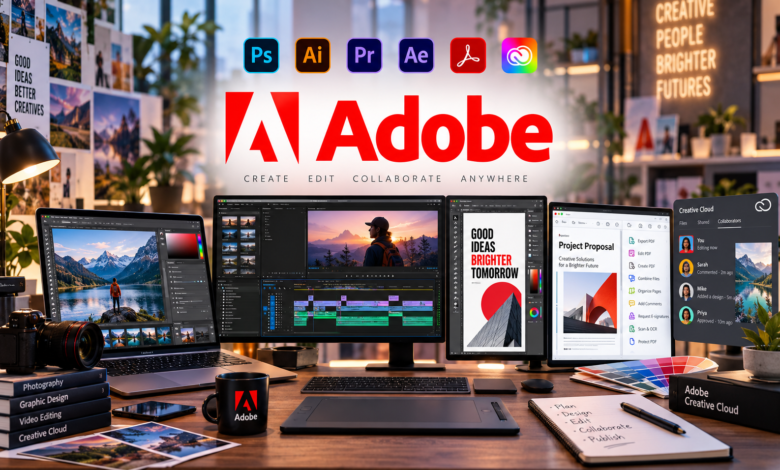
One of the well-known names in this area is Adobe, which offers a range of tools used by creative professionals, businesses, students, and independent creators.
Creativity Has Become Part of Everyday Business
Visual communication is no longer limited to advertising agencies or professional design studios. Almost every business needs some form of visual content.
A restaurant may need attractive images for its online menu. An online store requires product photographs and promotional graphics. A technology company may need presentations, illustrations, videos, and social media material. Even a small local business can benefit from having a recognizable visual identity.
Because of this, creative software has become a practical business resource rather than something used only by specialists. Professional applications allow users to work with images, layouts, illustrations, typography, and other design elements while maintaining greater control over the finished product.
From Simple Images to Complete Media Projects
Digital content is also becoming more varied. A company might publish a photograph on Monday, release a promotional video on Tuesday, and prepare an animated advertisement later in the week.
Different formats require different approaches. Image editing may involve adjusting lighting, removing unwanted elements, or improving composition. Video production can involve cutting footage, arranging scenes, adding sound, and preparing the final file for a particular platform.
When businesses produce this material regularly, an organized creative workflow becomes valuable. Instead of treating every project as a completely new process, teams can develop repeatable methods that make production more efficient.
Digital Documents Are Changing Office Routines
Creative work is only one side of the modern workplace. Documents remain essential to almost every organization.
Contracts, proposals, applications, invoices, reports, forms, and presentations are frequently exchanged between companies and individuals. Handling these files electronically can make everyday administration considerably more convenient.
PDF documents are particularly useful when information needs to be shared while preserving its original layout. A professionally prepared document can be viewed on different devices without requiring the recipient to recreate the formatting.
Digital document management can also reduce dependence on physical paperwork. Files can be stored electronically, shared with authorized people, and accessed when needed without searching through filing cabinets or folders of printed documents.
Better Workflows Can Reduce Unnecessary Effort
Productivity is not always about working faster. It can also mean removing repetitive steps that do not add much value.
For example, a team may waste time searching through email attachments for the latest version of a file. Another group may repeatedly recreate the same document format for different clients. Organized digital workflows can help reduce these problems by giving teams clearer ways to create, review, update, and share their work.
This becomes especially important when projects involve multiple people. Designers, writers, managers, clients, and other contributors may all need access to different parts of the same project. A structured workflow makes collaboration easier to manage.
Useful Beyond Large Companies
Advanced digital tools are not exclusively useful for multinational organizations. Freelancers and small businesses can benefit from them as well.
An independent designer might use professional software to develop branding materials for clients. A freelancer could prepare proposals and invoices digitally. A small online store may create product visuals and marketing content without maintaining a large in-house creative department.
For growing businesses, this flexibility can be particularly useful. They can gradually develop their digital processes as their workload increases instead of immediately building a large technology infrastructure.
Preparing for the Next Stage of Digital Work
Technology continues to change the way people create and manage information. Artificial intelligence, cloud-based collaboration, automation, and online publishing are becoming increasingly connected with traditional creative and business processes.
This means digital skills will remain valuable across many industries. People who understand how to create professional content and manage digital information efficiently can adapt more easily as workplace requirements change.
The important point is not simply having access to numerous applications. The real value comes from choosing suitable tools and using them as part of a clear workflow.
Conclusion
The modern workplace depends heavily on digital communication and content. Businesses need attractive visuals, professional documents, engaging media, and efficient ways to share information with customers and colleagues.
Reliable digital tools can bring these different activities together and make everyday work more organized. Whether someone is an experienced creative professional, a small-business owner, or an independent freelancer, a well-planned digital workflow can provide a practical foundation for producing and managing high-quality work.
As businesses continue moving toward digital-first operations, the ability to create, edit, organize, and share information effectively will remain an important part of professional success.