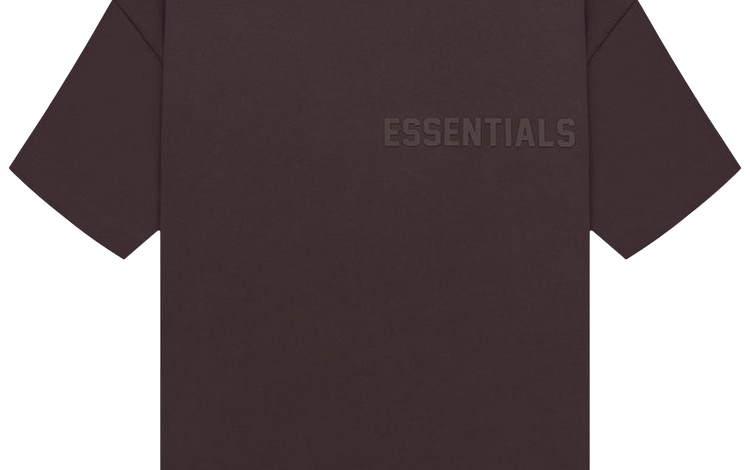
Four pounds. That is the entire distance between the cheapest tee on the shirt page and the dearest one, which is a strange thing to stare at when you are trying to pick. A £40 gap would tell you something. Four quid tells you almost nothing, and anyone working through the shirt listings at Essentials Hoodies hits the same small wall after about a minute of scrolling.
Forty-nine shirts, five prices, and a band so tight that money has basically stepped out of the decision. That sounds annoying. I’d argue it’s useful, because it forces you to look at the cut and the colour instead of letting a number do your thinking. Below is what the band actually looks like, and what moves a shirt from one end of it to the other.
Forty-nine shirts, five numbers
The shirt category starts at £95 and stops at £99. Nothing sits above it, nothing below. Those five prices don’t spread evenly across the forty-nine listings either — they clump, and the clumping is the interesting part.
| Price | Shirts at that price |
| £95 | 10 |
| £96 | 10 |
| £97 | 10 |
| £98 | 12 |
| £99 | 7 |
So the fat middle of the band holds most of it, £98 carries the biggest group and £99 the smallest. If the top price marked out something unusual you would expect the opposite — a thin bottom and a crowded top. It reads more like batches of stock that landed a pound apart than a ladder of quality.
What does a single pound buy here?
Not fabric, going by the listings. Cotton jersey shows up at £95 and it shows up again at £99, and there’s no published weight or composition table on the site that anyone could use to argue otherwise. Prints, necklines, sleeve length — those you can see for yourself, and they do move about a bit inside the band.
- Plain black, white and grey tees mostly sit at the bottom, £95 or £96.
- The odder colours climb a pound or two — olive green, mint, dark oatmeal, sycamore, coral, plum.
- Logo prints are scattered right across the band, from £96 up to £99, so a print on its own doesn’t push the price.
- A V-neck or a long sleeve lands in the middle rather than at either edge.
Which means the pound you save on a plain black tee isn’t a compromise on anything you could point to. It’s just where that colour happened to be priced.
The cut sorts them faster than the price does
Three fits turn up in the shirt names, and on an actual body they’re nothing alike, even when two of them sit a pound apart on screen.
Classic, relaxed and the one that swallows you
A classic fit more or less follows your shoulder, so it sits under a jacket without bunching up at the armhole. Relaxed widens the body and lets the shoulder seam slide down a bit, and honestly that’s the shape most people picture when they say they want an Essentials tee — not tight, not a tent. Then there’s oversized, which drops the shoulder well down the arm and runs long enough at the hem to peek out under a jumper, and that one either suits you or it very much doesn’t.
Check the listing itself for sizes before you settle on a fit — the ranges aren’t identical across all forty-nine. And with a relaxed or oversized cut, the extra width is already the point, so sizing up on top of it tends to end in a tee you wear once.
Colour ends up doing the choosing
With four pounds of difference in play, colour quietly becomes the deciding factor, and in Britain that isn’t a purely aesthetic call. A tee spends most of the year under something else here. Black, charcoal and the darker greys disappear under a shell on a 6 °C Leeds morning and don’t show a wet shoulder when the drizzle gets through. Pale oatmeal and white cloud are lovely in May and a liability in February.
The brighter end — crimson, coral, mint, gold heather — earns its money in the three or four months when a tee is all you’re wearing. Worth a thought before you end up with two greys that look identical in daylight.
| Key TakeawaysThe whole shirt range lives inside £95 to £99, so price can’t rank them.£98 holds the most shirts (twelve) and £99 the fewest (seven).Plain basics sit low in the band; unusual colours sit a pound or two higher.Fit — classic, relaxed or oversized — is the difference you’ll actually feel.Darker colours earn their keep in a British autumn; pale shades don’t. |
Buying when the money won’t decide for you
Fit comes first, because it’s the one thing you can’t talk yourself into later. Colour second, judged against the jackets and jumpers already hanging up rather than against a white studio background where everything looks fine. Price last, and really the four-pound spread is a rounding error.
Buying two? Then two different fits beats two shades of one cut, since a close tee and a wide one genuinely dress differently. Shipping and returns show up at checkout rather than on the product pages, so read that screen properly before you confirm.
Frequently Asked Questions
Why is every shirt within four pounds of the next one?
Pricing here looks like it happens by group, not by garment, so whole runs of shirts come out on the same number. Practically speaking, the forty-nine listings behave more like one shirt in a lot of colours than a range with a budget end and a premium end.
Is the £99 shirt better than the £95 one?
Nothing published on the site supports that. Only seven shirts sit at £99 and they’re not a distinct tier — some carry a print, some don’t. Judge them on fit and colour.
Never worn one — which fit?
Relaxed, nine times out of ten. You get the dropped shoulder the label is known for without the length and sheer width of a proper oversized cut, and it’ll go under a hoodie or a fleece without fighting you.
| Pro Tip: Sort the shirt page by price and you’ll see the clumps straight away. Open two listings a pound apart, put the photos side by side, and the difference you’re paying for — or not paying for — shows up in about ten seconds. |
Scroll the shirt listings with fit in your head and price at the bottom of the list, and forty-nine options stop feeling like a wall. Something in a cut that matches how you actually dress, in a colour you’d reach for in November as much as June — that’s the whole decision. The four pounds can look after themselves.