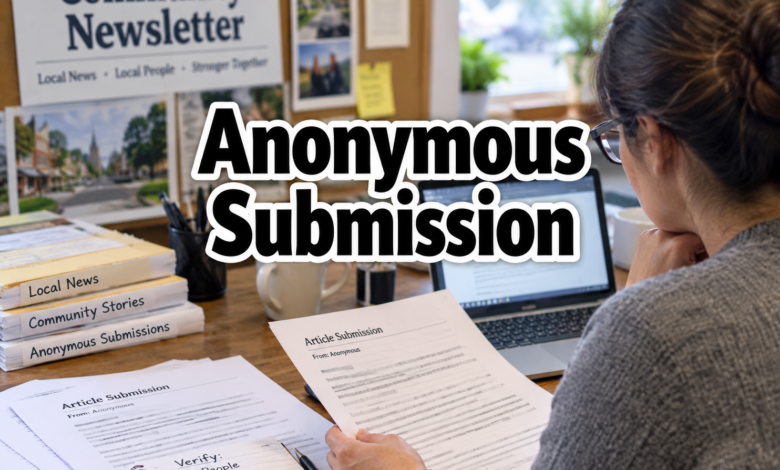
A volunteer editor of a neighborhood newsletter used to receive a handful of submissions each month, most from people the editor knew. Now the inbox contains polished contributions from strangers, and the editor cannot tell which ones reflect real local knowledge.
The concern is not whether a submission used a drafting tool. It is whether the piece says anything true and specific about the community it claims to describe.
Why Small Publications Feel This Sharply
Large outlets have standards desks and legal review. A community newsletter has a volunteer or two and a deadline. The editor’s main protection has always been knowing the contributors, and that protection weakens when anyone can generate a plausible article in a minute.
The Muck Rack State of Journalism 2026 report found that 82 percent of journalists use AI tools regularly, so even professional writers now work this way. The question for small editors is not how to forbid it but how to keep what gets printed grounded.
Quality Signals Beyond Any Score
For local publications, the best checks are things a generic draft cannot fake.
- Named people, streets, and businesses that the editor can verify with a call.
- Details that only an attendee would know, such as who spoke at the meeting or what the weather did to the fair.
- Quotes the contributor can source, with contact details for follow-up.
- A point of view that has an obvious stake in the community.
A Simple Submission Policy
A short written policy, shared with contributors, prevents most disputes. It can ask for disclosure of any AI assistance, require named sources, and reserve the right to ask follow-up questions before publication. Contributors generally accept clear expectations.
Using a Detector as One Input
An automated scan can help a busy editor decide where to spend scarce attention. It will not replace verification, and it can be wrong, particularly on formal writing or on text from authors who write in a second language.
A free AI checker is quick enough to use on every submission that feels slightly off, giving the editor a second data point alongside gut feel and the checkable details in the piece.
A 2023 study by Liang and colleagues in Patterns found that AI writing checkers misclassified non-native English writing as AI-generated at rates as high as 61 percent. Editors of multilingual communities should keep that in mind before drawing conclusions about any one contributor.
Building Relationships Instead of Filters
The strongest defense a small publication has is a base of known contributors. Inviting regular writers, running a short orientation for new ones, and publishing a contributor guide all raise the baseline quality of what arrives.
Editors often find that an honest conversation with a first-time contributor, asking how they wrote the piece and what they would add, resolves uncertainty faster than any tool.
What to Do With a Borderline Piece
If a submission has useful content but reads generic, the best response is an editorial one. Ask the writer to add two or three concrete local details, and publish the stronger version. Many contributors welcome the guidance.
Protecting Volunteer Time
Volunteer editors have limited hours, so any process has to be proportionate. Reading every submission for authenticity is unrealistic. A more practical approach is a quick triage: scan submissions that feel generic, verify one concrete detail in each accepted piece, and respond personally to first-time contributors.
- Verify at least one named person or place in every accepted article.
- Ask first-time contributors a short question about how they wrote the piece.
- Keep a running list of trusted regular contributors who can skip the heavier checks.
When Readers Raise Concerns
Occasionally a reader will question whether a piece was genuine. A calm, transparent answer works best: explain the verification step, acknowledge the limits of any tool, and invite the reader to share corrections. A published policy makes these conversations short.
Editors also benefit from remembering that readers care more about accuracy and relevance than about the exact method of production. A piece that is true, local, and useful serves the community regardless of how its first draft began.
Handling Press Releases and Event Notices
Small publications receive a steady flow of announcements from local organizations. These are often written by communications staff using drafting tools and arrive in a polished, generic style. Editors rarely need to verify authorship, but they do need to verify details and add local context.
A good routine is to phone or email the contact named in the release and ask one question that is not answered in the text. The response often supplies a quote or a detail that makes the item more useful to readers.
Encouraging Local Voice
Readers of community publications value recognizable voices from people they know. Inviting residents to write short first-person pieces, such as a regular column about a neighborhood garden or a retiree’s memories of the high school, builds a body of writing that no generic draft could match.
- Offer light editing support to first-time writers.
- Publish a short bio and photo with each contributor.
- Encourage specific memories and observations over general commentary.
- Credit sources and invite corrections from readers.
Keeping Records Simple
A shared spreadsheet listing each submission, its contributor, the date, the checks performed, and the outcome is usually all the record a small team needs. It makes handovers easy and gives the editor a quick way to review how often issues arise.
Working With Other Local Publications
Editors of small publications often benefit from sharing practices with each other. A regional group of neighborhood newsletters can swap submission guidelines, discuss problem cases, and agree on common expectations for contributors. Sharing a template policy saves each editor the work of drafting one from scratch.
Local press associations and library networks sometimes host informal meetups for volunteer editors. Those conversations are a good way to learn what has worked elsewhere and to realize that the challenge is widely shared.
Setting Realistic Expectations
No policy or tool will catch every case, and a volunteer editor should not feel responsible for doing so. The aim is to raise the baseline of what gets published and to respond sensibly when something looks wrong. A reasonable process, applied kindly and consistently, is what readers and contributors value most.
Looking Ahead
Tools and habits will keep changing, but the fundamentals of editing a community publication stay the same: know your contributors, check the details, and publish what is true and useful. Editors who anchor their process in those basics will adapt easily to whatever technology comes next.
A brief annual review of the submission policy, adjusting it in light of what actually happened that year, keeps it realistic and keeps contributors informed.
Whatever tools an editor uses, the guiding question stays simple: will this piece be useful and true for the people who read the newsletter? Keeping that question in view makes every other decision, from policy wording to verification effort, easier to settle.
Community publications survive on trust between editor, writers, and readers. A clear policy, verifiable details, and a light automated scan used as one signal among several keep that trust intact without turning a volunteer editor into a forensic analyst.