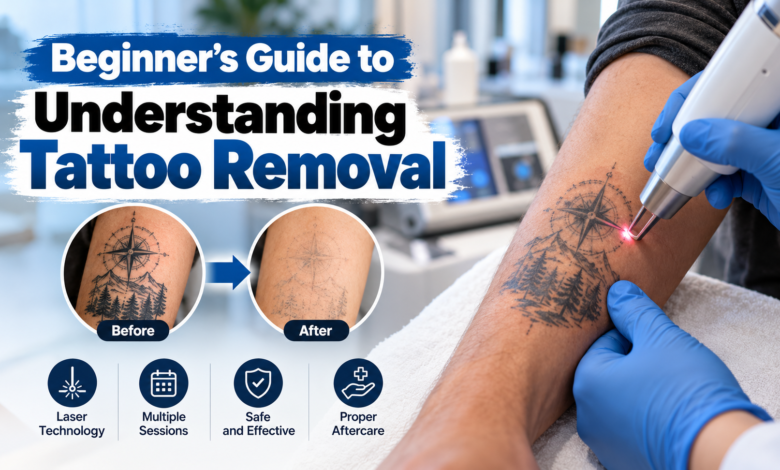
Getting a tattoo removed is nothing like getting one put on. Instead of a single session and a bandage, you’re looking at a process that unfolds over months, sometimes years, and depends on everything from your ink’s color palette to your own immune system. If you’re considering removal for the first time, understanding how the process actually works will save you time, money, and frustration.
How Tattoo Removal Actually Works
Modern tattoo removal relies almost entirely on laser technology, specifically Q-switched and picosecond lasers. These devices emit short, high-intensity pulses of light that pass through the skin’s surface and target the ink particles sitting in the dermis. The light energy shatters those particles into smaller fragments, which your lymphatic system then gradually filters out and carries away.
This is why removal takes multiple sessions instead of one. Your body can only process so much broken-down pigment at a time. Each treatment breaks the ink down further, and each break between sessions gives your immune system a chance to clear what’s already been fragmented.
What to Expect During a Session
A typical session lasts anywhere from 10 to 45 minutes, depending on the size of the tattoo. Smaller designs, like a wrist symbol or a small script, might take less than 15 minutes. Larger back pieces or full sleeves require longer appointments, sometimes broken into sections.
The sensation is often compared to being snapped repeatedly with a rubber band, though pain tolerance varies widely. Many clinics offer topical numbing cream or cooling devices to make the experience more tolerable. Immediately afterward, the treated area will look lighter in color, then typically turns red, swollen, and sometimes blistered within a few hours.
How Many Sessions You’ll Actually Need
There’s no universal number here, and anyone who promises a fixed timeline without seeing your tattoo isn’t giving you accurate information. Most tattoos require somewhere between 6 and 12 sessions, spaced six to eight weeks apart to allow proper healing and ink clearance.
Professional tattoos with dense, layered ink often take longer to fade than amateur or stick-and-poke tattoos, which tend to sit more superficially in the skin. Black and dark blue ink responds fastest to laser treatment, while greens, yellows, and light blues can be stubborn and may never fully disappear.
Factors That Affect Results
Several things influence how well and how quickly a tattoo fades. Skin tone matters because lasers work by targeting contrast between pigment and skin, so very dark skin requires more careful calibration to avoid damage. Tattoo age plays a role too; older tattoos that have already faded naturally over the years often respond faster than fresh, vibrant ink.
Location on the body matters as well. Areas with better blood circulation, like the chest or upper arms, tend to clear faster than areas like the ankles or feet, where circulation is slower and lymphatic drainage takes longer.
Cost and What Drives It
Pricing for tattoo removal depends on the size of the tattoo, the ink colors involved, and the number of sessions needed. Small tattoos might run $75 to $150 per session, while larger pieces can cost $300 or more per visit. Multiply that by the number of sessions required, and total costs can range from a few hundred dollars to several thousand over the course of treatment.
Location also affects pricing, since clinics in larger metro areas tend to charge more than those in smaller cities or suburbs. Residents searching for affordable tattoo removal in Sugar Land, TX have found that local clinics often offer competitive package pricing, especially when booking multiple sessions upfront rather than paying per visit. Asking about bundled pricing or membership plans before starting treatment can meaningfully reduce the overall cost.
Aftercare That Actually Matters
What you do between sessions affects how well your skin heals and how effectively your body clears the broken-down ink. Keep the treated area clean and covered with a non-stick bandage for the first few days, and avoid picking at any blisters or scabs that form. Sun exposure is particularly risky during this period, since UV rays can cause pigmentation changes or scarring on skin that’s already healing.
Staying hydrated and avoiding alcohol in the days surrounding treatment can support your lymphatic system as it works through the fragmented ink. Some clinics also recommend gentle massage or specific aftercare products designed to support healing, so it’s worth asking your provider directly rather than guessing.
Choosing the Right Provider
Not every laser clinic offers the same equipment or experience level, and this is one area where cutting corners can lead to scarring or uneven results. Look for providers who use medical-grade lasers, ideally picosecond devices, and who have specific experience with tattoo removal rather than general skin treatments. A consultation should include a realistic assessment of your tattoo, an estimated number of sessions, and a clear breakdown of costs.
Tattoo removal is a gradual process, not a quick fix, and setting realistic expectations from the start makes the entire experience far less frustrating. The clearer you are about your tattoo’s ink, age, and location, the better equipped you’ll be to plan a timeline and budget that actually match reality.