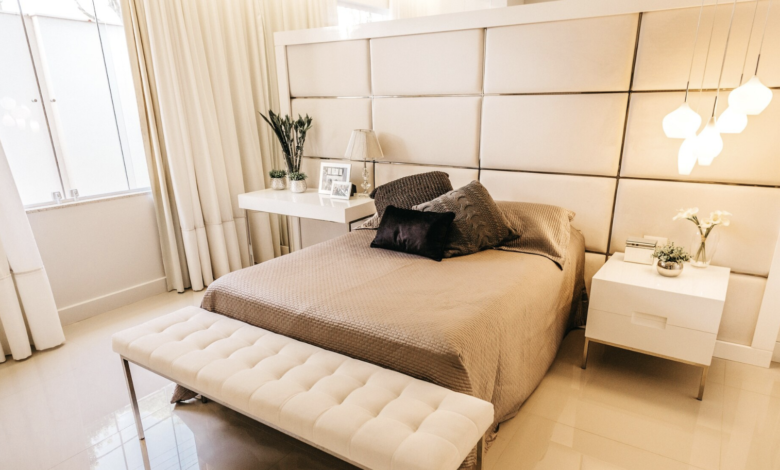
Whether you have just moved into your first flat, are setting up a spare room for guests or are finally replacing furniture you inherited from a sibling, a bedroom can swallow a surprising amount of money. The good news is that not everything in the room needs to be new, expensive or bought at once. The trick is knowing which pieces genuinely affect how you sleep and feel, and which are mostly about looks.
This guide splits the bedroom into “spend” and “save” categories, with some practical ideas for stretching a modest budget further.
Start With a Plan, Not a Shopping Basket
Before buying anything, measure the room properly. Note the position of radiators, sockets, windows and the swing of the door. It sounds obvious, but plenty of people order a bed frame or wardrobe that technically fits the floor space yet blocks a radiator or stops a drawer from opening fully.
Next, write down what you actually need rather than what a showroom suggests. For most people the essentials are somewhere to sleep, somewhere to store clothes, a way to control light and a surface by the bed for a lamp, phone and glass of water. Everything else can come later as money allows.
Finally, set a rough total budget and allocate it before you shop. Deciding in advance that, say, half goes on the bed and mattress makes it much easier to resist an impulse buy on a decorative mirror.
Where It Pays to Spend More
A handful of items have a direct effect on your sleep, your back and the daily feel of the room. These are worth prioritising.
- The mattress. You spend roughly a third of your life in bed, so this is the one area where cutting corners tends to backfire. A cheap mattress that sags within a couple of years often ends up costing more in the long run.
- Pillows. A pillow that suits your sleeping position (side, back or front) can make a noticeable difference to neck comfort. They are relatively inexpensive, so buy decent ones and replace them every couple of years.
- Blackout or lined curtains. Light control matters, especially during long British summer evenings. Lined curtains also help with draughts and heat loss in winter.
- A sturdy bed base. A creaky or flimsy base can undermine even a good mattress. It does not need to be fancy, just solid and properly supportive.
When it comes to the mattress specifically, it is worth reading around before committing. Independent comparison sites can help you narrow down options at different price points; for example, this Silentnight shortlist by budget groups models by cost, which is handy if you have a fixed figure in mind and want to see what that buys you. Whatever brand you lean towards, check the trial period, returns policy and warranty before you hand over any money.
Where You Can Safely Save
Plenty of bedroom items are largely cosmetic or have a long, useful second-hand life. These are the places to be thrifty.
Bedside tables and chests of drawers. Solid wood furniture turns up constantly on local selling sites, in charity shops and at house clearance sales. A tired pine chest can be transformed with sandpaper, a tin of furniture paint and new handles for very little outlay.
Wardrobes. Freestanding wardrobes are bulky and often sold cheaply by people moving house. Alternatively, an open clothes rail with a few storage boxes underneath can do the job perfectly well in a smaller room.
Lighting. Lamps and shades are an easy, cheap way to change the mood of a room. Warm white bulbs and a lamp on each side of the bed often make more of an impression than an expensive ceiling fitting.
Decor and soft furnishings. Cushions, throws, artwork and rugs are the classic area for budget finds. Supermarket homeware ranges and discount stores are perfectly fine here, and you can swap things around seasonally without much expense.
The Middle Ground: Bedding and the Bed Frame
Some purchases sit between the two camps. Bedding is a good example. You do not need luxury linen, but very cheap sheets can feel scratchy and wear thin quickly. Mid-range cotton or a cotton blend is usually a sensible compromise. Buy two sets so one can be in the wash while the other is on the bed.
Duvets are similar. A mid-priced duvet with a tog rating suited to the season (or a combination set that clips together for winter) tends to offer good value.
Bed frames are another middle-ground item. A simple metal or wooden frame from a mainstream retailer can look smart and last for years. If space is tight, a divan with drawers or an ottoman bed with lift-up storage can save you buying separate storage furniture, which is a budget win in its own right.
Practical Ways to Stretch Your Budget
A few habits can make a limited budget go noticeably further:
Time your big purchases. Mattresses and beds are frequently discounted around bank holidays and in the January and summer sales. If you can wait a few weeks, it may be worth doing so.
Buy in stages. Get the bed, mattress and curtains sorted first, then live in the room for a while before adding storage and decor. You will have a much clearer sense of what you really need.
Check second-hand items carefully. Wobble furniture, open every drawer and look underneath for damage or signs of woodworm. For hygiene reasons, most people prefer to buy mattresses and pillows new.
Use paint. A fresh coat of paint on the walls, or on an old piece of furniture, is one of the cheapest ways to make a bedroom feel new.
Conclusion
Furnishing a bedroom on a budget is mostly about priorities. Put your money into the things you physically interact with every night, namely the mattress, pillows, bed base and curtains, and be relaxed and resourceful about everything else. Plan the space, buy in sensible stages and treat second-hand furniture as an opportunity rather than a compromise. You can end up with a calm, comfortable room that feels considered, without the bill that usually comes with it.