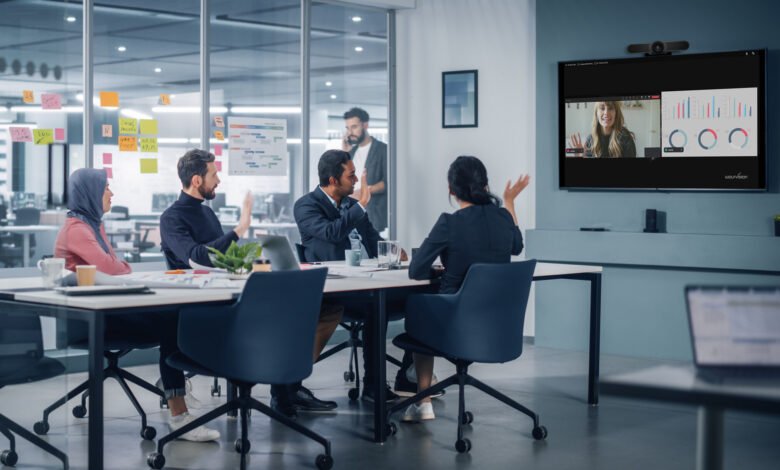
Meetings look different than they did a decade ago. Teams now split across cities, time zones, and even continents, yet they still need to collaborate as if they were sitting in the same room. This shift has made modern meeting and conference spaces a critical part of business infrastructure, not just a nice-to-have amenity.
At the center of this transformation are audio video solutions. The right combination of displays, microphones, cameras, and control systems can turn an ordinary conference room into a hub for clear communication and productive collaboration. Without dependable audio video solutions, even the best-laid meeting agendas can fall apart due to garbled audio, frozen video, or clunky technology that nobody knows how to operate.
Essential AV Equipment Categories
Display Systems
Large-format screens, projectors, and interactive displays form the visual backbone of any conference room. They allow presenters to share slides, data, and documents with clarity, ensuring everyone in the room, and on the call, sees the same information. Interactive displays go a step further, letting teams annotate directly on the screen for a more hands-on brainstorming experience.
Audio Systems
Poor sound quality is one of the fastest ways to derail a meeting. Microphones, speakers, and sound reinforcement systems work together to make sure every voice is heard clearly, whether the speaker is at the front of the room or dialing in remotely. Ceiling microphones and beamforming technology have become popular choices for reducing background noise and picking up voices evenly across large tables.
Video Conferencing Technology
Cameras, codecs, and conferencing platforms have become the connective tissue for hybrid teams. High-definition cameras with auto-framing capabilities keep remote participants engaged by automatically focusing on whoever is speaking. Paired with reliable codecs and conferencing software, these tools make it possible for someone joining from home to feel just as present as someone in the room.
Control Systems
Automated AV control solutions simplify how all this equipment operates. Instead of juggling multiple remotes or interfaces, users can start a meeting with a single touch panel or app. This reduces setup time and minimizes the chances of technical hiccups, especially for teams that aren’t tech-savvy.
Key Considerations When Selecting AV Equipment
Choosing the right audio video solutions isn’t a one-size-fits-all process. A few factors deserve careful thought before making a purchase:
- Room size and layout: A small huddle room has very different needs than a large boardroom or auditorium-style space.
- Integration capabilities: New equipment should work well with existing audio video solutions already in place, avoiding costly compatibility issues.
- User-friendly interfaces: Employees shouldn’t need a manual to start a meeting. Simple, intuitive controls encourage consistent use.
- Scalability: As businesses grow, so do their meeting needs. Choosing equipment that can expand alongside the organization saves money and hassle down the road.
Benefits of Quality Audio Video Solutions
Investing in well-designed audio video solutions pays off in several tangible ways:
Improved meeting effectiveness. Clear audio and sharp visuals keep participants engaged instead of distracted by technical issues.
Enhanced professional image. Clients and partners notice when a company invests in reliable technology. A smooth, glitch-free meeting reflects positively on the business as a whole.
Reduced technical difficulties. Quality equipment, paired with proper control systems, minimizes the downtime that comes from troubleshooting malfunctioning gear.
Better return on investment. When meetings run efficiently, teams spend less time fixing problems and more time being productive, which adds up to real cost savings over time.
Building a Meeting Space That Works
Modern meeting and conference spaces depend on more than just a table and chairs. They require thoughtful audio video solutions that bring people together, no matter where they’re located. From displays and microphones to cameras and control systems, every piece of equipment plays a role in shaping how well a team communicates.
Businesses that take the time to select the right audio video solutions, factoring in room size, integration, usability, and scalability, set themselves up for smoother meetings and stronger collaboration. In the long run, that investment supports not just better communication, but better business outcomes overall.