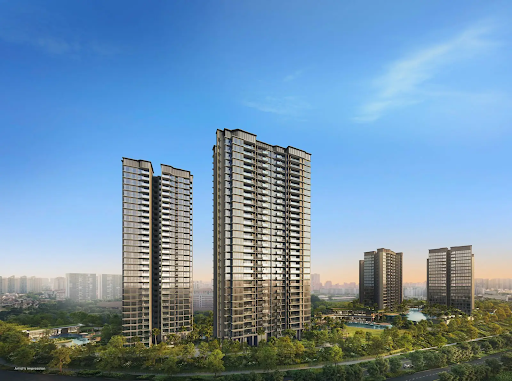
Selecting the perfect condominium involves more than just picking a floor plan and a neighborhood. One of the most critical, yet frequently overlooked, factors is how natural light enters your living space throughout the day. If you browse through the layout options on the official Thomson Reserve website, you will notice how building orientation affects daily living. Choosing a unit that faces the sun correctly can lower your electricity bills, improve your mood, and increase your property’s resale value. Whether you prefer bright morning light or warm afternoon rays, understanding solar orientation helps you make an informed investment. Let us examine how to analyze sun patterns to find your ideal home.
Understanding the Four Cardinal Orientations
Each direction offers distinct lighting patterns that suit different lifestyles. East-facing units receive direct sunlight in the morning. This orientation is perfect for early risers who enjoy starting their day in a sun-drenched kitchen. The apartment naturally cools down in the afternoon, reducing the need for heavy air conditioning during the hottest hours of the day.
Conversely, West-facing units get intense afternoon sun. While these homes offer beautiful sunset views, they also absorb significant heat. You will need high-quality window treatments and efficient cooling systems to manage the temperature during peak summer hours.
South-facing units are highly coveted because they receive consistent, indirect sunlight all day long. This orientation keeps the home bright without the extreme heat spikes associated with direct afternoon exposure. Many premium developments, such as the Lucerne Grand, design their main living areas to face south to maximize this balanced natural illumination.
Finally, North-facing units receive the least amount of direct sunlight. These spaces offer cool, consistent, and diffused light. Artists and remote workers often prefer north-facing rooms because the lack of direct glare makes it easier to work on screens and view art pieces without color distortion.
Aligning Sun Exposure with Your Daily Routine
Your daily schedule should dictate which direction your condo faces. If you work a traditional nine-to-five job, an east-facing bedroom helps you wake up naturally with the sunrise. However, if you work night shifts or prefer sleeping in, a west- or north-facing bedroom keeps your sleeping area dark and cool during the morning hours.
Think about how you use your living room and home office as well. Remote workers who spend all day at a desk might find the glare from a west-facing window distracting. In contrast, if you primarily use your living room in the evening, a west-facing unit allows you to enjoy the final hours of daylight after a long workday.
When reviewing floor plans on the official Thomson Reserve website, look for units where the primary living spaces match your peak activity hours. For instance, a south-facing balcony provides a sunny spot for afternoon reading or maintaining a small container garden. Matching your layout to your lifestyle ensures you do not end up living in the dark or constantly drawing your blinds to block out unwanted glare.
Evaluating Surrounding Obstructions and High-Rise Shadowing
Calculating sun angles is only half the battle; you must also account for the surrounding urban landscape. Nearby skyscrapers, neighboring apartment blocks, and even mature trees can block sunlight from entering your unit. A unit that theoretically faces south might sit in permanent shadow if a taller building stands directly across the street.
To avoid this issue, visit the construction site at different times of the day. If the building is still in the planning phase, look for 3D sun-path simulations. Luxury projects like the Lucerne Grand often provide digital models showing how shadows fall across different floors throughout the seasons.
Elevation also plays a major role in light penetration. Lower-floor units are more susceptible to being blocked by neighboring structures, street-level trees, and noise barriers. If you choose a lower unit, a south- or west-facing orientation can help maximize what little light filters through. Higher floors generally receive unobstructed sunlight regardless of direction, but they also experience higher wind speeds and more intense heat. Studying the master plan of the neighborhood helps you predict whether future developments might block your sunlight years down the road.
Balancing Natural Light with Energy Efficiency
While natural light is desirable, excessive sun exposure can drive up your utility bills. West-facing units absorb the brunt of the afternoon heat, forcing your air conditioning system to work overtime. To maintain a comfortable indoor temperature, you must invest in energy-efficient features.
Look for developments that use double-glazed windows with low-emissivity (Low-E) coatings. These specialized glass panels reflect infrared and ultraviolet light while letting visible light pass through. This technology keeps your home cool in the summer and retains indoor heat during the winter.
Smart architectural design can also mitigate heat gain. Many units featured on the official Thomson Reserve website incorporate deep balconies and structural overhangs. These features block the high summer sun while allowing the lower winter sun to penetrate and warm the apartment.
Additionally, consider the cost of window coverings. Large floor-to-ceiling windows look stunning, but they require heavy motorized drapes or thermal blinds if they face directly west. Balancing your desire for sunlight with practical cooling solutions protects both your comfort and your monthly budget.
The Impact of Sunlight on Property Value and Rentability
Sun orientation does not just affect your daily comfort; it also influences your property’s long-term market value. Buyers and tenants consistently pay a premium for bright, airy apartments. Units with poor natural light often linger on the market longer and command lower rental yields.
South-facing units generally hold their value best because they offer the most balanced light throughout the year. However, local climate plays a major role in buyer preferences. In hot, tropical regions, north-facing units are highly prized because they stay cooler, reducing energy costs. In colder climates, south- and west-facing units are preferred for their natural warmth.
When looking at premium developments like the Lucerne Grand, analyze which orientations are selling out fastest. Investors should look for units that offer a balance of good light and scenic views. A bright unit with a pleasant view of a park or courtyard will always outperform a dark unit facing a concrete wall. Prioritizing sunlight during your purchase ensures your asset remains highly liquid and attractive to future buyers.
Conclusion
Choosing a condominium unit with the right sun exposure requires a careful balance of lifestyle preferences, architectural design, and urban surroundings. By understanding how the sun moves across the sky and how different orientations affect indoor temperatures, you can select a home that remains bright, comfortable, and energy-efficient. Whether you are browsing floor plans online or comparing luxury high-rises, always consider how natural light will interact with your daily routine. Taking the time to analyze these factors before signing a contract ensures that your new home remains a warm, welcoming, and valuable investment for years to come.