Choosing a home is about more than finding enough bedrooms or selecting an attractive property. For families with children, the surrounding neighbourhood can have just as much influence on everyday life. Access to schools, parks, childcare, transport and convenient shopping can make family routines easier and provide children with opportunities to learn, play and grow.
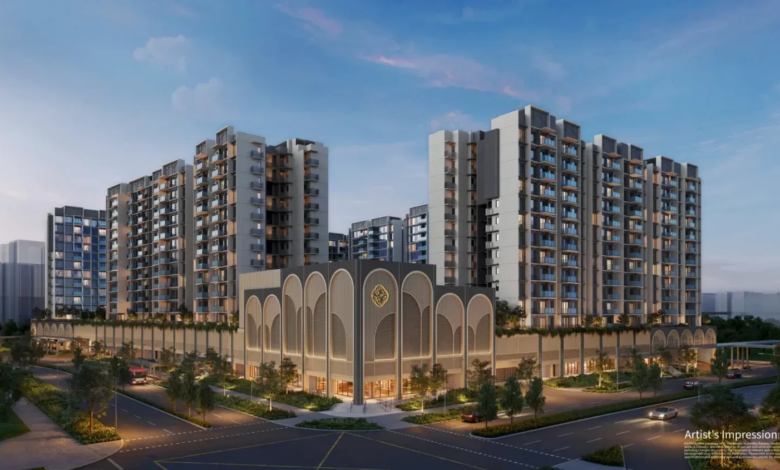
Chencharu, a developing residential precinct in Yishun, Singapore, is planned with these priorities in mind. Its neighbourhood masterplan combines new homes, green spaces, community facilities and improved transport connections. At the centre of this transformation is Chencharu Central, an integrated residential and commercial development designed to bring everyday conveniences closer to residents.
For parents considering a home in northern Singapore, the area offers several features worth exploring. Here is how Chencharu Central and its surrounding neighbourhood could support family life.
A Family-Friendly Neighbourhood with Room to Grow
A good family neighbourhood should provide more than residential buildings. Parents often look for an environment where children can access educational facilities, enjoy outdoor activities and develop social connections within their community.
Chencharu is planned as a 70-hectare residential precinct that will eventually accommodate approximately 10,000 new homes by 2040. The Housing and Development Board (HDB) has outlined a vision that includes distinctive homes, park spaces, convenient amenities and better connections between residential areas.
These plans aim to create a neighbourhood where families can manage everyday activities without travelling long distances for every requirement. Walking and cycling paths are also part of the wider planning approach, encouraging residents to use healthier and more convenient ways to move around.
As the precinct develops, families can expect a changing neighbourhood with additional residential, recreational and community facilities.
Schools and Educational Opportunities Near Chencharu Central
Education is one of the biggest considerations for parents when choosing a property. Living near schools can help reduce daily travelling time and make school routines more manageable.
Peiying Primary School is located beside the Chencharu Central site, providing a nearby educational option for families with primary-school-aged children. Other schools in the surrounding Yishun area include Naval Base Primary School, Naval Base Secondary School and Orchid Park Secondary School.
Yishun Innova Junior College also provides an option for older students pursuing pre-university education.
Having different educational institutions within the wider neighbourhood gives families several locations to consider as their children progress through different stages of schooling. Parents should still check school admission requirements, registration phases and Home-School Distance eligibility before making decisions based on proximity.
Childcare and preschool access are equally important for households with younger children. Parents can explore existing childcare providers around Khatib and Yishun to identify suitable arrangements for their daily schedules.
Parks and Outdoor Spaces for Active Childhoods
Children benefit from having opportunities to spend time outdoors. Parks and open spaces provide places to play, exercise and interact with other children away from indoor environments.
Chencharu’s masterplan includes a new park and neighbourhood green spaces connected by a community avenue. These planned areas are intended to create more opportunities for outdoor recreation and community interaction.
Families can also explore nearby Lower Seletar Reservoir Park, which offers a scenic setting for walks and outdoor activities. The Khatib Bongsu Park Connector provides another option for residents who enjoy walking and cycling.
These spaces can become part of everyday family routines, whether parents are taking younger children for a walk, enjoying weekend activities or encouraging teenagers to stay active.
The planned walking and cycling network is another positive feature. Better connections between parks, homes and transport facilities can make it easier for families to enjoy the neighbourhood without relying entirely on private vehicles.
Everyday Convenience at Chencharu Central
Daily convenience matters when managing a household with children. Parents often balance school schedules, work commitments, grocery shopping and family responsibilities. Having essential facilities nearby can make these routines easier.
Chencharu Central is planned as an integrated development featuring up to 875 residential homes, a retail mall, a hawker centre and an air-conditioned bus interchange.
The retail component is expected to include a supermarket, shopping and food and beverage options. This arrangement could allow residents to complete everyday errands, purchase groceries and enjoy meals without travelling to another neighbourhood.
The planned 40-stall hawker centre will also provide additional dining choices for families. Parents may appreciate having accessible food options on busy weekdays when preparing meals at home is not always practical.
The integrated bus interchange is another important feature. It is designed to improve public transport convenience for residents travelling around Yishun and other parts of Singapore.
Together, these facilities aim to create a more connected residential environment where essential activities are within easier reach.
Family Living with Practical Residential Spaces
A family home should provide enough room for children to grow while allowing parents to maintain comfortable everyday routines. Bedrooms, shared living areas and practical storage all contribute to a household’s overall experience.
Chencharu Central is planned with a range of two- to five-bedroom residences. This selection gives buyers different configurations to consider depending on their household size and space requirements.
Smaller households may prefer a two- or three-bedroom arrangement, while larger families could explore four- and five-bedroom options. Some layouts may also offer additional study spaces, which can be useful for children who need a dedicated area for homework or online learning.
When reviewing individual floor plans, buyers should consider bedroom dimensions, living and dining arrangements, kitchen functionality and available storage. Families with younger children may also want to think about furniture placement, safe movement between rooms and convenient access to shared facilities.
The most suitable layout is one that supports the family’s current needs while allowing some flexibility as children grow older.
Comparing Other Residential Options in Singapore
Families researching homes in northern Singapore may also want to compare other residential developments before making a decision.
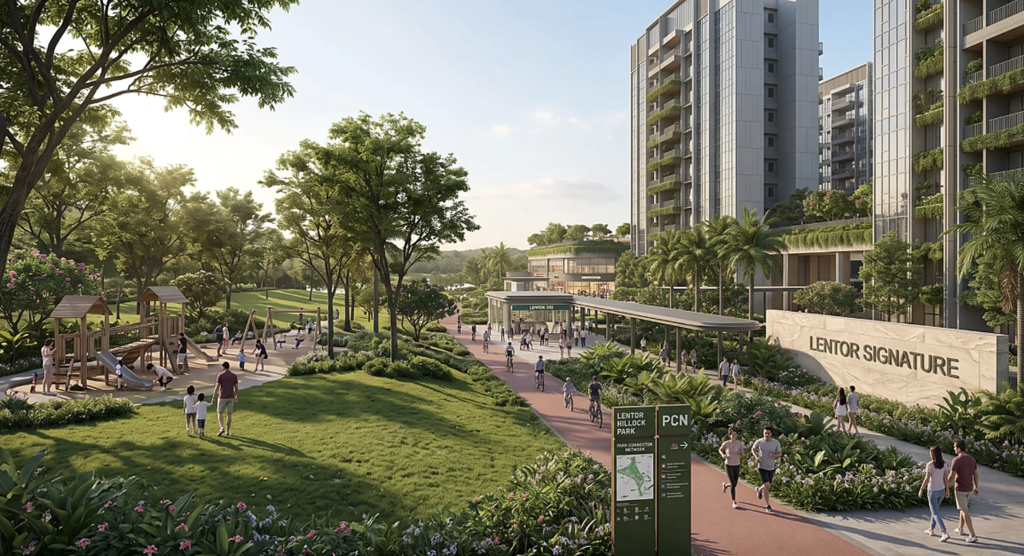
Lentor Signature is another development worth considering for buyers interested in family-sized residential options. Located in the Lentor area, it offers a different neighbourhood setting for households comparing residential surroundings, transport connections and available unit configurations.
Meanwhile, One Chuan Grove provides another option for buyers exploring different parts of Singapore. Comparing its location, proposed layouts and nearby amenities with Chencharu Central can help families understand which environment better matches their priorities.
These developments serve different residential locations, so buyers should consider more than bedroom numbers. Factors such as school access, commuting requirements, nearby parks, shopping facilities and household budgets should all form part of the comparison.
Building a Connected Community for Families
A neighbourhood becomes more appealing when residents have opportunities to interact and build relationships. Community spaces, parks, shared facilities and accessible public areas can encourage neighbours to spend time together.
Chencharu’s wider development plans place importance on community connections and the area’s heritage. The proposed network of parks, walking routes and public facilities is intended to create spaces where residents can meet, exercise and participate in neighbourhood activities.
For children, these shared environments can provide opportunities to make friends and become familiar with their surroundings. Parents may also find it easier to connect with other families through community activities and everyday interactions.
As more homes and facilities are completed, the neighbourhood’s community character is expected to develop alongside its residential population.
Conclusion
Chencharu Central offers an interesting residential option for families looking for a home in a developing neighbourhood. Its planned combination of schools nearby, green spaces, retail facilities and public transport connections could make everyday family routines more convenient. The wider Chencharu masterplan also aims to create a connected community where children have opportunities to learn, play and interact with others. For parents comparing residential developments in Singapore, Chencharu Central is worth considering alongside other options. Reviewing the available floor plans, surrounding amenities and future neighbourhood plans can help families decide whether the development suits their needs today and as their children grow.