Three Himalayan Treks, Three Different Experiences
Picking a first trek in Nepal sounds easy until you actually start looking. Every route has gorgeous photos, glowing reviews and a long list of “must-see” moments. And then you realise they’re all quite different animals. Some are long and varied, some are remote and quiet, some are short and friendly on the schedule.
The Annapurna Circuit Trek, the Manaslu Circuit Trek and the Langtang Valley Trek sit in three separate parts of the country, and each one gives you a different slice of mountain life. This guide walks through all three, so you can match a route to your fitness, your free days and what you actually want out of the trip.
What Really Makes These Treks Different
Not every Himalayan trail works the same way. Some are well-established routes with teahouses in nearly every village and plenty of other walkers around. Others run through restricted regions where permits are tighter and the trail feels emptier. And a few are easy to reach from Kathmandu, which matters more than people think when you only have a week or so.
Trail infrastructure, transport, teahouse availability, cultural exposure and the mountains themselves all shift from one region to the next. That’s why choosing a trek purely from photographs, or by comparing maximum altitudes, can leave you with the wrong expectations. A pretty picture doesn’t tell you how long the walking days are, and a big number doesn’t tell you how comfortable the trail feels. Your own trekking experience, how well you handle altitude and what you’re comfortable with day to day should carry real weight in the decision.
Annapurna Circuit Trek: Changing Landscapes and Mountain Cultures
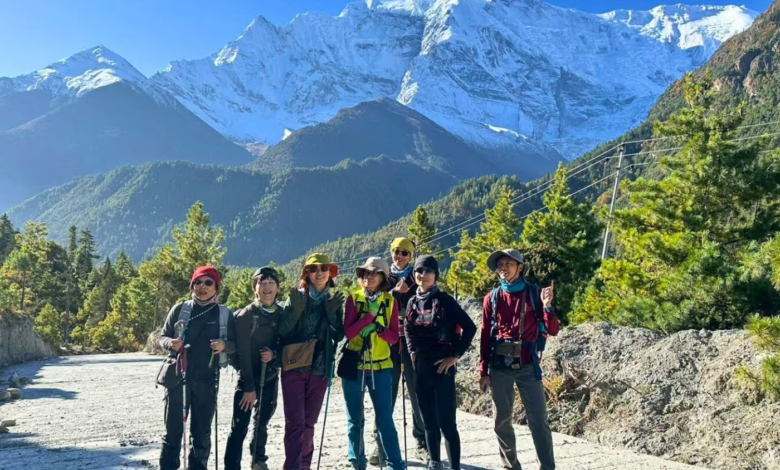
The Annapurna Circuit Trek is all about change. You start down in green river valleys and subtropical forest, and over the following days the scenery slowly climbs into dry, high-altitude terrain with the Annapurna range looming above. It rarely feels like the same walk two days in a row, which is a big part of its appeal.
The headline moment is Thorong La Pass, sitting at roughly 5,416 metres. It’s a long, cold, early-morning push, and it deserves proper preparation. Good fitness, steady pacing and enough acclimatisation days make the difference between a proud day and a miserable one.
Culturally, the route is just as varied as the landscape. Villages change character as you move higher, with Buddhist influences becoming more noticeable and traditional settlements telling a different story from the lower farming communities. Teahouses are available along the way and the facilities are fairly well developed. There are some road sections to be aware of, so it’s worth planning your daily distances thoughtfully rather than just following a generic schedule.
If you’re someone who loves variety, enjoys cultural encounters and wants a proper high pass to cross, this is a strong first Himalayan trek. Just go in knowing it’s a challenge.
Manaslu Circuit Trek: Remote Villages and Tibetan Heritage
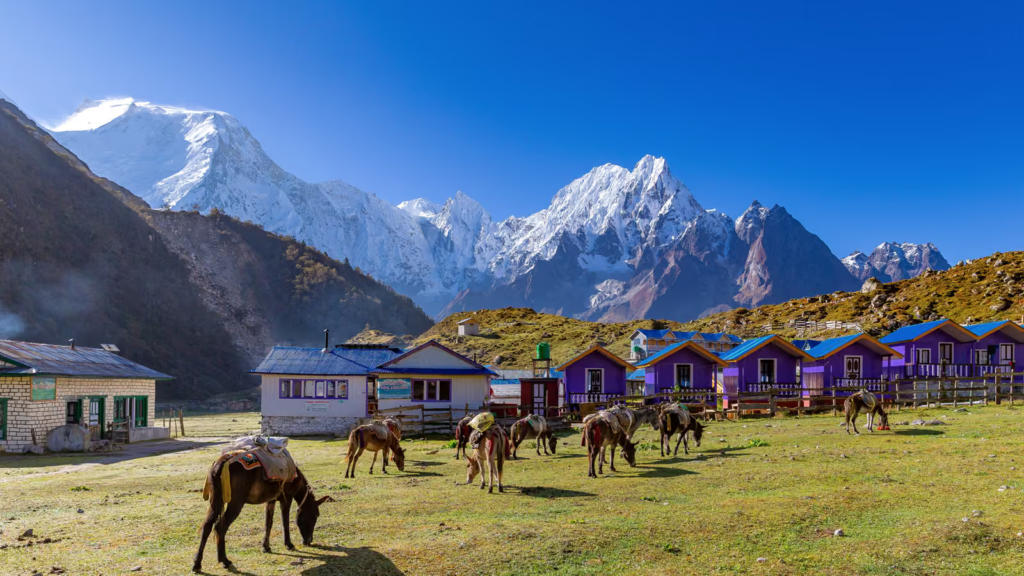
Manaslu feels quieter, and that’s the point. The trail follows the Budhi Gandaki Valley, passing through forested sections, steep river gorges and mountain settlements, with the landscape opening up the further you go. It’s a more rugged, less crowded kind of trekking.
The big crossing here is Larke La, at around 5,106 metres. It’s a bit lower than Thorong La, but don’t let that fool you. Gradual acclimatisation matters just as much, and rushing the upper sections is a bad idea on any high route.
The cultural side is where Manaslu really stands out. Tibetan influence shows up in monasteries, prayer flags, traditional stone architecture and everyday Buddhist practice. Villages like Samagaun and Samdo give you a real sense of how people live this high up, and the atmosphere is noticeably different from busier trails.
Teahouses are available, though the trail is more remote and the logistics need more thought. Transport arrangements take some planning, and trekkers need the required permits and a licensed guide. If you want cultural depth and a more remote mountain experience, and you don’t mind a bit of extra organisation, Manaslu is well worth considering.
Langtang Valley Trek: A More Accessible Introduction to Nepal’s Mountain Life
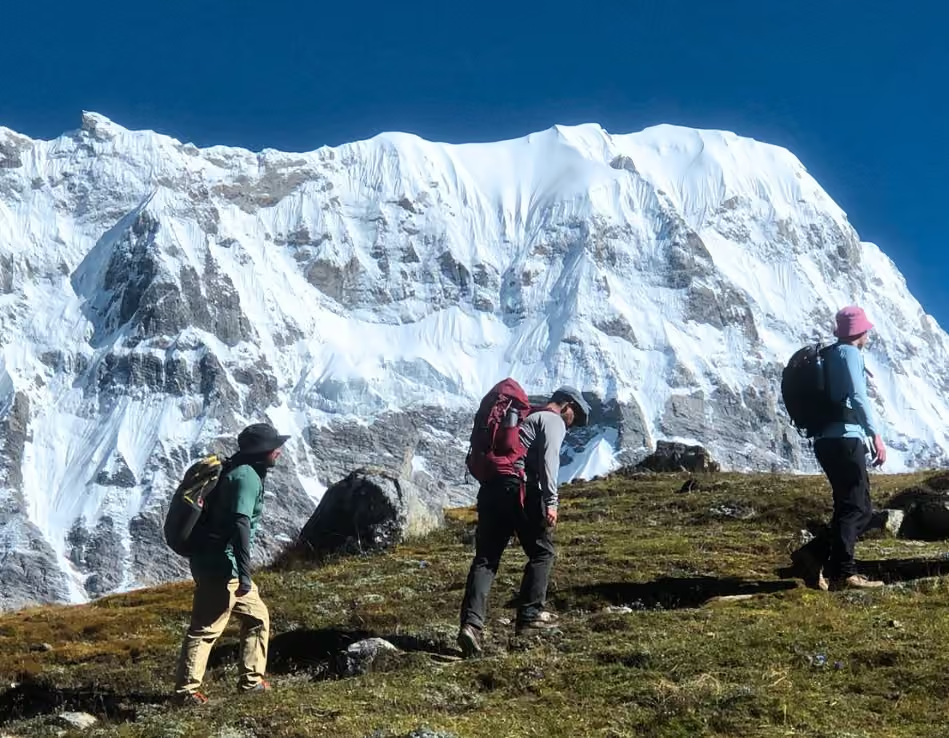
Langtang is the easiest one to fit into a busy schedule. The walk begins at Syabrubesi and moves through forest, river valleys and alpine scenery, passing traditional mountain villages along the way. You get that “properly in the Himalaya” feeling without committing to a huge expedition.
The Langtang range surrounds you as you climb, and the scenery around Kyanjin Gompa is a lovely payoff at the top of the valley. Tamang heritage is central to the cultural experience here. You’ll come across Buddhist traditions, monasteries and local food, and you’ll see how closely these communities live with their mountain environment.
The route structure is fairly straightforward, with teahouse accommodation along the trail and transport from Kathmandu to the trailhead. Walking conditions are typical for a Himalayan valley trek, so you still need decent fitness, but it’s a friendlier introduction than the high-pass circuits. The Langtang Valley Trek is particularly rewarding for travellers with limited time who still want impressive mountain views, traditional village life and genuine cultural encounters. It makes an excellent first trekking experience in Nepal.
Annapurna vs Manaslu vs Langtang: Which Trek Is Right for You?
The easiest way to compare these three is to look at what actually affects your trip. Difficulty and physical preparation come first, followed by how many days you can spare and how high each route goes. Then think about cultural experiences, how developed the trail and accommodation are, and how many other trekkers you’re likely to meet. Transport and permit requirements matter too, and so does how suitable the route is for someone doing their first Himalayan trek.
Here’s the thing about difficulty: altitude alone doesn’t decide it. Walking distance, daily elevation gain, weather, trail conditions and how well you acclimatise all play a part. A route with a lower maximum altitude can still feel tough if the days are long, and a higher one can feel manageable if the pace is sensible. So treat the numbers as one piece of the picture, not the whole story.
How to Choose Your First Himalayan Trek Based on Your Travel Style
If you love mountain diversity, the Annapurna Circuit is hard to beat. The shifting landscapes and the high pass give it a sense of journey that suits travellers who enjoy seeing a lot change over many days.
If cultural discovery is your priority, Manaslu’s Tibetan-influenced settlements and quieter trails are the draw. It rewards people who like slowing down and soaking in village life.
If you’re short on time, Langtang is a practical way to get into trekking in Nepal without stretching your holiday allowance.
Fitness and experience deserve an honest look, too. Long walking days and high-altitude conditions are no joke, so be realistic about your preparation. And if you’re planning things independently, remember that transport, permits, guides and accommodation arrangements can tip the balance. Sometimes the logistics make the decision for you.
Practical Planning: Best Seasons, Permits, Guides and Preparation
Spring and autumn are generally the most popular windows for trekking in Nepal, thanks to more settled weather and clearer mountain views. Conditions still differ between regions and from year to year, so check the season for your specific route.
Permits vary by trek. Each route involves conservation-area or national-park permits, and Manaslu adds a restricted-area permit on top. Guide requirements also differ. Manaslu needs a licensed guide, and on any route a guide or porter brings local knowledge that makes the walk smoother and safer.
Start preparing well before departure. Regular walking, uphill training and cardio work will help your body cope with long days on the trail. Once you’re up high, take acclimatisation days seriously, drink plenty of water and learn the symptoms of altitude sickness. If those symptoms get serious, descending is the right call, every time.
Budget is the last piece. Trek length, transport, meals, guides, permits and accommodation all add up, so work out the full picture instead of focusing on one cost.
Planning Your Nepal Trek with the Right Local Support
A good trekking company can take a lot of stress out of the planning. Look for one with transparent arrangements, knowledgeable guides and honest route advice. Escape Himalaya is one option travellers can consider when organising their Himalayan journey.
Final Thoughts: Choose the Trek That Matches Your Expectations
Your first Himalayan trek should be about more than reaching a famous viewpoint or crossing a high mountain pass. It should be an experience that fits your interests, fitness level and the time you have available. The Annapurna Circuit Trek is a rewarding choice if you enjoy changing landscapes, traditional villages and the challenge of crossing Thorong La. The Manaslu Circuit Trek suits travellers who prefer quieter trails, Tibetan-influenced culture and a more remote mountain setting. Meanwhile, the Langtang Valley Trek offers a shorter and more accessible introduction to Nepal’s mountain communities, landscapes and trekking lifestyle.
Before making your decision, consider the walking days, altitude, transport, permits and preparation each route requires. There is no single best trek for everyone. Choose the one that matches your expectations, gives you enough time to enjoy the journey and allows you to experience Nepal at a comfortable pace. After all, the most memorable Himalayan adventure is not necessarily the hardest one, but the one you genuinely enjoy.