
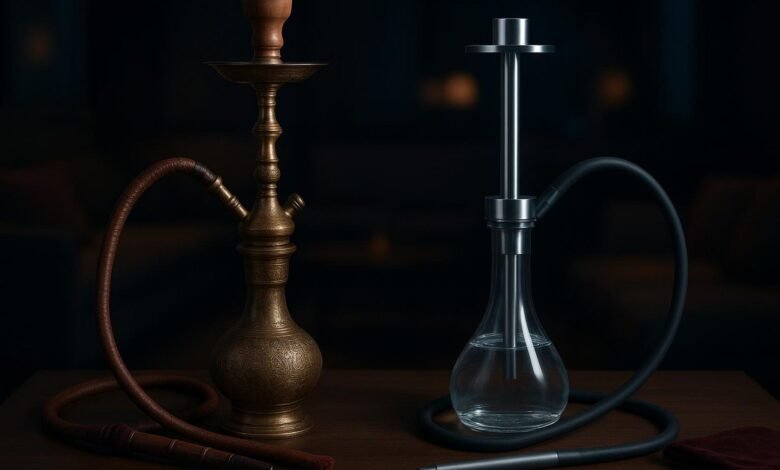
The main difference between washable and traditional hookah hoses comes down to their inner design, cleaning method, and working life. Washable hoses use non-porous materials, usually medical-grade silicone with rust-resistant metal or resin handles. You can rinse them with warm water, lemon juice, or a cleaning solution without causing rot or rust. Traditional hoses use a metal wire frame covered with paper, cardboard, leather, or fabric. Water quickly rusts the wire, weakens the glue, and damages the hose.
The hose is the final path between the waterpipe and your mouth, so its material affects both flavor and cleanliness. A broad range of modern hookah hoses from Shisha Boutique shows how current designs serve both flavor-focused smokers and people who want easier cleaning. These hoses combine the classic look of older hookahs with newer materials and construction methods.
The Short Answer: Washable Hoses Focus on Hygiene and Repeated Use
If you like to change flavors often-such as moving from icy citrus mint on Tuesday to spiced chai on Thursday-a washable hose is a good fit. Platinum-cured or medical-grade silicone does not absorb much flavor, so it helps reduce flavor ghosting. You can also rinse the hose under the tap after each session.
The design is made for repeated use. Instead of throwing away a hose after it collects old smoke, moisture, or tobacco syrup, you can remove the parts, rinse the inner tube, and let it dry. A clean inner path gives every session a neutral starting point and helps prevent the sour or mixed flavors that can come from dirty equipment.
Traditional Hoses Focus on Classic Looks and a Low Starting Price
Traditional hoses have a long history of handmade design. They often include detailed fabric, faux or real leather, turned wooden handles, and soft velvet decorations. They match classic Egyptian, Turkish, and Syrian brass hookahs well, creating the familiar look of a traditional lounge.
These hoses are also often included with basic or heritage hookah sets, which keeps the first purchase price low. The drawback is that the inner parts cannot handle water. They are mostly disposable, and their working life depends on how quickly the inner lining takes in moisture from the air and smoke.
The Main Differences in Material, Cleaning, Airflow, Flavor, and Lifespan
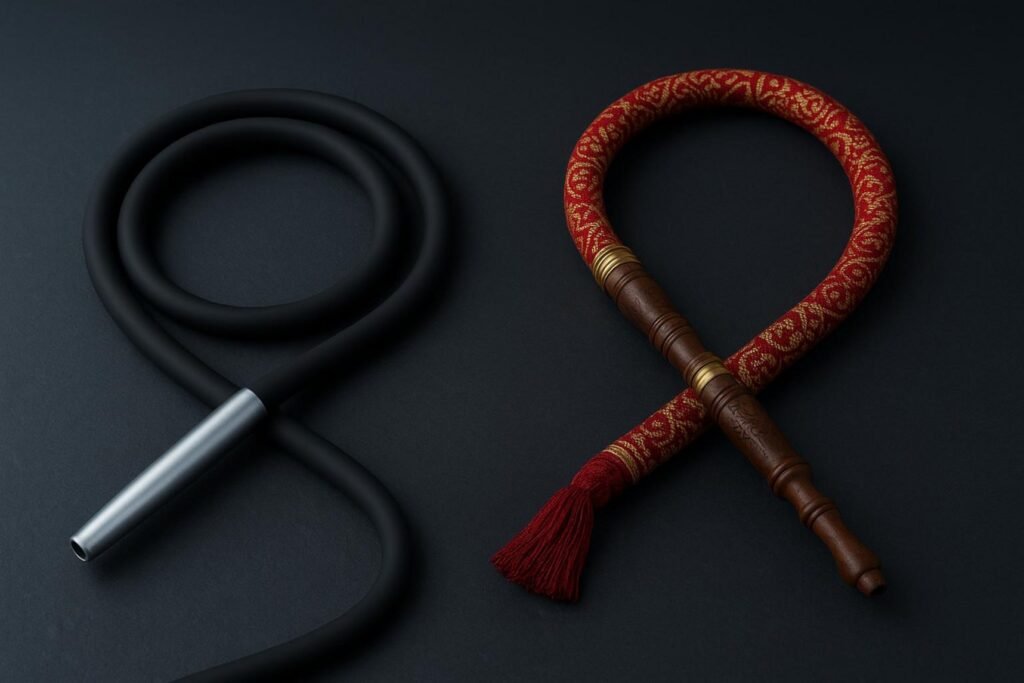
A side-by-side comparison shows five main differences: materials, cleaning options, airflow, flavor, and working life. Traditional hoses usually have corrugated paper around a carbon-steel spring. This gives the hose flexibility but offers little protection from moisture. Washable hoses use a smooth silicone tube or another water-resistant polymer.
Traditional hoses often have a smaller inner opening, creating a tighter pull similar to the draw found in older cafés. Washable silicone hoses usually have a wider opening, which reduces resistance and supports larger, easier clouds. A traditional hose may last from a few weeks to several months before the inner coil begins to break down. A well-cared-for washable hose can last for years, even with heavy daily use.
What Is a Washable Hookah Hose?
Silicone Construction and Smooth Inner Surfaces
Most washable hoses use extruded silicone tubing. Unlike some rubber and heavily softened PVC products, food-grade and medical-grade silicone does not contain the same types of volatile softeners or phthalates that may release into warm smoke. Good silicone tubing has a very smooth inner surface, with few places for moisture or burned particles to collect.
Silicone is also flexible and tough. It can twist, bend around tight corners, or be stepped on without staying flat or developing small tears. Exposure to acidic vapor from flavored shisha does not usually make quality silicone crack, harden, or become sticky. The tube can stay soft and flexible for a long time.
Why Silicone Hoses Can Be Rinsed and Reused
Silicone does not absorb water, which makes cleaning simple. Since a washable hose has no inner metal frame or paper lining, you can submerge it or run water through it without causing rust or the collapse of the inner structure.
It can also handle several mild cleaning methods. Warm tap water can loosen glycerin and sticky residue. Baking soda, lemon juice, or a cleaner made for pipes can help with stronger smells and leftover flavor. These substances can be used without wearing away the silicone wall when used as directed.
Are All Silicone Hose Handles and Connectors Washable?
The silicone tube is water-resistant, but the washability of the full hose depends on the handle and connector. Many current washable hoses use anodized aluminum, 304 or 316 stainless steel, strong resin, or high-borosilicate glass. These materials can usually be rinsed with the tube.
Some mixed-material hoses need more care. A washable hose may include a carved wood handle, a fabric decoration, or a brass weight inside the handle. Water that gets under unsealed wood can cause swelling and rot. Moisture behind fabric can damage stitching or encourage mold. Full washability requires non-porous, rust-resistant materials from one end of the hose to the other.
What Is a Traditional Hookah Hose?
Leather, Fabric, Wood, and Mixed-Material Construction
Traditional hookah hoses combine practical design with old-style decoration. Inside, a coiled steel or iron wire keeps the hose round and stops it from collapsing when you inhale. Layers of paper, cardboard, or parchment wrap around the spring and help hold air inside. Leather, synthetic leather, or woven fabric covers the outside.
The ends often have long wooden or bone handles decorated with velvet, thread, embroidery, or wooden caps. These layers create an attractive hose, but they also include water-sensitive glue and natural materials. That makes the hose fragile if water enters the inside.
Classic Appearance and Matching Hookah Sets
A hand-hammered brass Khalil Mamoon or engraved Turkish Elmas pipe pairs naturally with a traditional hose. The long handle, often more than 72 inches in total hose length, and the hanging fabric create the familiar look of classic shisha culture.
In many Middle Eastern cafés, the hose and tobacco flavor are chosen as a pair. Some smokers use one traditional hose only for a single flavor, such as Double Apple from Nakhla or Al Fakher, or plain tombac. After months of use, the porous inside becomes seasoned with that flavor. This can add depth when the same tobacco is smoked again.
Why Many Traditional Hoses Are Non-Washable
Traditional hoses cannot handle water because of the way they are built. Water soaks into the paper and cardboard, turning them soft and breaking down the glue that keeps the hose airtight. Once that seal fails, air leaks through the outer fabric instead of pulling smoke through the water base.
The inner wire also creates a problem. Many traditional hoses use untreated, low-grade steel for the spring. Water causes this metal to rust quickly. Within days, rust can form inside the tube. A strong inhale may then pull rust flakes, dust, or fungal particles toward the mouthpiece.
Washable vs Traditional Hoses: Performance and Flavor
Which Hookah Hose Provides Better Airflow?
Washable silicone hoses usually provide better airflow than traditional hoses. A modern silicone hose often has an inner diameter of 10 to 12 mm, giving smoke a wide path. When paired with a wide-bore metal handle, the hose adds very little resistance to the setup.
Traditional hoses often have an inner diameter of about 7 to 9 mm. The wire coil inside also creates extra friction and turbulence. This results in a tighter pull. Some smokers like that resistance with traditional single-flavor tobacco, but it can limit cloud size for newer packing styles.
How Hose Length and Diameter Affect the Draw
Both hose length and inner width affect airflow resistance. Traditional and washable hoses are often around 72 inches, or about 1.8 meters, long. At that length, the inner diameter has the greatest effect on how hard the draw feels. Even a small change in the radius can produce a large change in airflow.
A narrow traditional hose sends smoke through a smaller opening at a higher speed. This can give a focused flavor hit, but it requires more suction from the smoker. A wider silicone hose moves a larger volume of air with less effort, creating cooler and thicker clouds.
Does Silicone Improve Flavor Clarity?
Silicone can improve flavor clarity by keeping a neutral surface between the smoke and the air. High-grade silicone does not easily absorb old flavor compounds or release its own smell. This lets the flavor made by the shisha reach your mouth with fewer unwanted notes.
This is especially useful for blends with several light flavors, such as herbs, citrus, or flowers. A silicone hose has less old tobacco resin to cover those top notes. The result can taste brighter and cleaner than a traditional hose that has been used for many different flavors.
Why Traditional Hoses May Retain Old Flavors
The inside of a traditional hose contains many small spaces where flavor can collect. The paper and parchment lining, along with the seams in the leather and fabric, can hold tiny drops of shisha molasses. After several sessions, these drops dry into sticky resin.
Since you cannot safely flush the hose with water or cleaning chemicals, the resin stays inside. Warm smoke can heat the old residue and release some of its flavor during later sessions. Strong double apple or mint can leave anise and menthol notes behind, which may overpower a lighter fruit flavor smoked later.
Hygiene and Cleaning: Which Hose Is Easier to Maintain?
Why Cleaning a Hookah Hose Matters
The inside of a hookah hose can be warm, damp, dark, and coated with organic sugar. These conditions support the growth of bacteria and mold. During a session, water vapor cools as it moves through the hose and leaves condensation inside. If that water stays there, it can support a bacterial film and fungal growth.
A dirty hose can cause more than stale or bitter smoke. It may send unwanted particles into the air you inhale. Regular cleaning helps reduce bacteria, remove sour smells, and keep the flavor of your tobacco clean.
How To Clean a Washable Silicone Hose
Cleaning a washable silicone hose usually takes a few minutes. Start by taking the hose apart. Remove the handle from the tube and detach the hose connector. Run warm tap water through the silicone for 30 to 60 seconds to loosen glycerin and surface residue. Avoid boiling water, since very high heat may soften some silicone products over time.
For a stronger clean after smoking a powerful flavor, mix warm water with one tablespoon of lemon juice and one teaspoon of baking soda. You can also use an unscented, food-safe pipe cleaner. Pour the mixture into the hose, cover both ends with your thumbs, and shake it back and forth so the liquid reaches the full inner wall. Empty the mixture and rinse the hose well with clean water.
How To Dry a Washable Hose Before Storage
Many hose problems come from poor drying. Water drops can remain on the inner silicone wall after rinsing. To remove most of the water, hold the middle of the hose and swing it in quick vertical circles outdoors or in a shower. The movement pushes water out through both ends.
Then hang the hose vertically on a hook or doorframe in a dry, well-ventilated area. Point both ends downward so the remaining drops can drain. Do not coil or seal a damp silicone hose in a drawer or airtight bag. Trapped moisture can create a bad mildew smell.
How To Care for a Non-Washable Traditional Hose
Traditional hoses need a dry cleaning routine. After your session, remove the hose from the hookah. Place your lips over the hose connector and blow air through the full length several times. This helps remove old smoke and some moisture before it settles inside.
Gently tap the hose against your palm or a soft surface to loosen dry particles, then blow through it again. Hang it vertically in a dry room with good air circulation. This lets the cardboard and fabric dry naturally. You can wipe the outside of the wooden handle and mouthpiece with a lightly damp, clean cloth, but keep water away from the inner opening.
Mold, Bacteria, and Moisture Risks in Each Hose Type
The risk of bacteria and mold depends on the surface and on how the hose can be cleaned. Traditional hoses have rough paper and fabric surfaces with many small fibers. These areas hold moisture and protect bacteria from air movement. Once a bacterial film grows deep inside, it is very hard to remove.
Silicone has a smoother surface, so bacteria have fewer places to grip. Still, a silicone hose can grow bacteria if it stays wet and still. Bacteria such as Pseudomonas and Staphylococcus may form a layer inside the tube. The main advantage of silicone is that it can handle cleaning rinses, warm water, and full drying, which lets you remove this buildup more reliably.
Durability, Lifespan, and Replacement Costs
How Long Does a Washable Hookah Hose Last?
A good washable silicone hose often lasts two to five years or longer with regular care. Silicone resists damage from sunlight, does not become stiff quickly, and handles normal seasonal temperature changes better than many low-cost plastics.
The aluminum, stainless-steel, or glass parts may last for life unless they are dropped or the threads are damaged. The silicone tube is the part most likely to wear first. You can replace the tube with food-grade silicone tubing while keeping the same handle and connector.
Wear and Tear in Traditional Hookah Hoses
Traditional hookah hoses are products that wear out. Even with careful use, humid smoke slowly weakens the paper and glue inside. With heavy use, a non-washable traditional hose may last only four to six weeks. With occasional use, it may last six to twelve months, though some fail sooner.
As the hose ages, the outer thread may come loose, faux leather can crack at bends, and the metal spring can rust from moisture in the air. If black or red specks come out when you blow through the hose, the inner structure has started to fail. Replace the hose at once. You can find a new one, including washable models, at Shisha Boutique.
How Heat, Moisture, Kinks, and Tight Coiling Affect Hose Life
Storage and handling can shorten the life of any hose. Tight coiling is especially harmful to traditional hoses. Bending the hose past its natural curve can crush the wire spring, damage the paper lining, and create a permanent kink. These changes can lead to major air leaks.
For silicone hoses, hot charcoal is the main danger. Silicone resists normal heat, but glowing coconut coals can reach about 600°C and can burn through the tube within seconds. Silicone does not usually stay kinked, but storing it under heavy items or folding it at sharp angles can create weak spots, dust-catching areas, and a lasting bend.
When Should You Replace a Hookah Hose?
Replace your hookah hose right away if you notice any of these warning signs:
- Airborne Debris: Dust, rust, or cardboard pieces come out of the mouthpiece when you blow through the hose.
- Persistent Off-Flavors: A sour, moldy, stale, or chemical taste remains after a thorough cleaning.
- Structural Failure: Cracks, deep cuts, or holes let air bypass the water chamber.
- Compromised Airflow: The draw suddenly becomes harder, or a lasting whistle appears without a loose grommet being the cause.
- Loose Fittings: The handle or connector moves freely and leaks air even after being tightened.
Initial Price Versus Long-Term Value
A washable silicone system usually offers better value over time. A basic traditional hose costs little at first, which makes it easy to buy on impulse. But replacing it every two months because of old flavors or rust can add up over a year.
A good washable silicone hose costs more at the start, but it does not need frequent replacement. Its main parts can be cleaned and used for a long time. After many sessions, the cost per use becomes very low. The steady flavor and easier cleaning also add value beyond the price alone.
How to Choose Between a Washable and Traditional Hookah Hose
Choose Washable Silicone for Frequent Use and Shared Sessions
If you smoke several times a week, change flavors often, or share your hookah with friends, a washable silicone hose is usually the better choice. It can handle repeated use and passing between smokers. Its easy cleaning also makes shared sessions more sanitary.
Silicone is useful for strong dessert, spice, and mint flavors. A short rinse can remove coffee, cardamom, or mint residue before you smoke a lighter flavor such as white peach or lemon blossom. This helps keep the next bowl from tasting like the one before it.
Choose a Traditional Hose for Classic Style and Occasional Use
A traditional hose suits smokers who value old-style looks and use one main flavor. If your handmade brass hookah is a display piece in your home, a leather-and-wood hose adds a classic appearance that silicone may not provide.
This setup works best when the hose is used for one flavor, such as Double Apple, Grape with Berry, or a floral blend. Over time, the hose may become seasoned with that flavor and add a familiar depth to each session. A neutral silicone hose will not create the same seasoning effect.
Compare Airflow, Length, Weight, and Flexibility
Draw style and comfort are personal choices. If you like a tighter, focused pull with some resistance, a traditional hose may suit you. If you prefer large clouds with little effort, choose a wide-bore silicone hose.
Weight also affects comfort. A heavy silicone tube with a stainless-steel or thick resin handle can tire your hand during a long session. It may also pull down on a light hookah. For a small tabletop pipe, a light and flexible silicone hose with a slim hollow aluminum handle may work better.
Check Replacement Parts and Connector Compatibility
Before buying, check that the hose matches your hookah hardware. Find out whether the pipe uses a standard friction-fit port and rubber grommet, or a magnetic connector or ground-glass joint.
Also check how the hose is built. Some higher-priced washable models let you remove the handle tip, separate the grip from the tube, and replace the silicone section on its own. A modular hose lets you replace a worn O-ring or broken glass tip without buying a complete new set.
Hookah Hose Buying Checklist
Use this checklist when choosing your next hookah hose:
- Internal Material: Is the inner tube made from food-grade or medical-grade silicone, or does it contain a moisture-sensitive wire coil?
- End-to-End Washability: Are the handle and connector made from rust-resistant materials such as anodized aluminum, stainless steel, glass, or resin, without exposed inner wood?
- Port Interface: Does the connector match your hookah port, such as a universal taper or a brand-specific magnetic or O-ring joint?
- Internal Diameter (Draw Feel): Does the opening match your preference, with a 10-12 mm wide bore for open clouds or a 7-9 mm bore for a tighter classic draw?
- Handle Ergonomics: Is the handle comfortable, balanced, and light enough to keep the hookah stable?
- Component Modularity: Can you remove the tube from the handle and connector for thorough cleaning and lower-cost replacement later?
The right hose can improve the feel of your entire hookah setup. It can give you an easier draw, cleaner equipment, and clearer flavor from the first coal to the final pull.
